

Many overseas Chinese think about facial rejuvenation the way they think about a lot of things back home - "I'll deal with it next time I visit." But a facelift isn't a weekend errand. Between finding a surgeon you can actually trust from thousands of miles away, working out how many weeks off you can realistically take, and wondering whether your face will still look natural six months later at a family reunion, the decision tends to get pushed back year after year. Dr. Yuan Qiang, a Beijing-based facial rejuvenation specialist with over 20 years of clinical experience, works with exactly this group of patients - people who want to be treated in their own language, by a surgeon who understands their travel timeline, without sacrificing a natural result.
What Makes the MCR Technique Different
|
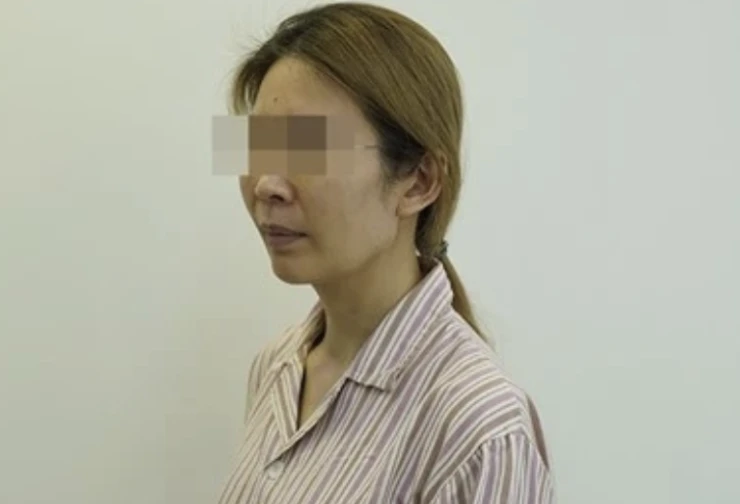
Dr. Yuan Qiang's independently developed Multi-Layer Composite Rhytidectomy (MCR) is built on a simple idea: skin alone doesn't cause sagging, so lifting skin alone doesn't fix it. Instead of tightening only the surface, MCR works through the skin, the SMAS (the supportive muscle-and-tissue layer beneath it), and deeper facial structures in one layered procedure. Incisions sit around the hairline and ears to keep scarring discreet, while the deeper repositioning is what gives the lift its structure - rather than a purely "pulled" look. The procedure typically takes 2–4 hours and is sometimes combined with eyelid surgery, fat grafting, or a neck lift, depending on what's actually needed. |
|
A facelift is most often considered by patients roughly 40 to 70 dealing with sagging cheeks, jowls, a loosening jawline, or deep folds that non-surgical treatments haven't corrected. Suitability isn't only about age - skin elasticity, bone structure, and overall health all factor into whether Dr. Yuan recommends surgery or a lighter alternative during your initial consultation.
|
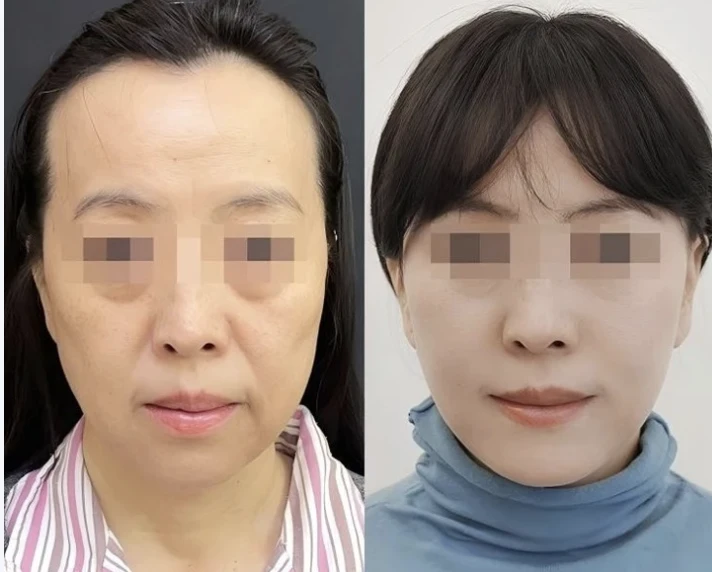
Surgical Facelift vs. Non-Surgical Lifting: Which Fits Your Trip?
If you're weighing a full MCR facelift against something less invasive - thread lifts, HIFU, or Thermage-style treatments - the honest answer is that both work, just on different timelines and for different degrees of sagging.
| Factor | Surgical Facelift (MCR) | Non-Surgical (Thread Lift / HIFU / Thermage) |
|---|---|---|
| How long results last | 7–10 years | Typically 1–2 years, then repeat sessions |
| Visible downtime | ~1–2 weeks of swelling/bruising | Usually days |
| Best suited for | Moderate-to-significant sagging, jowls, loose neck skin | Early aging signs, mild laxity |
| Trip planning | One longer visit (see recovery timeline below) | Can sometimes fit a shorter trip |
Neither option is inherently "better" - it depends on how much correction your face actually needs, and how often you can realistically fly back to Beijing. Dr. Yuan discusses both routes honestly during consultation rather than defaulting to surgery.
Planning the Trip: A Step-by-Step Timeline
- Remote consultation. Share photos and your medical history over WhatsApp or email; Dr. Yuan gives an initial read on whether surgery, a non-surgical option, or a combination fits your face.
- Pre-op preparation before you fly. Stop blood-thinning medication, smoking, and alcohol 2–4 weeks ahead of surgery, as advised during consultation.
- In-person assessment in Beijing. A physical exam confirms the surgical plan once you've arrived.
- Surgery day. The MCR procedure runs 2–4 hours, depending on what's combined with it.
- Early recovery in Beijing. Expect visible swelling and bruising for 1–2 weeks; most patients feel comfortable in public again around 2–3 weeks - a realistic minimum to plan your return flight around.
- Long-term follow-up. Full healing and final results take 3–6 months, tracked partly through photos and remote check-ins after you're home.
Why Overseas Patients Choose Dr. Yuan Qiang
Dr. Yuan Qiang holds a PhD in Plastic Surgery from the First Military Medical University in Guangzhou, where he trained under Professor Liu Dalie, a recognized authority in maxillofacial plastic and reconstructive surgery. Over more than two decades in practice, he has:
- ▸ Served as an Executive Committee member, Aesthetic Subspecialty, Chinese Medical Association Endoscopy Society
- ▸ Sat on the Youth Committee, Aesthetic Surgery Division, Chinese Society of Rehabilitation Medicine
- ▸ Been appointed to the Accident Identification Team, Medical Reference Newspaper, National Health Commission
- ▸ Published 12 papers in domestic medical journals and co-authored two professional books
- ▸ Been invited to share his techniques at academic exchanges in China, South Korea, Japan, and the United States
Like any surgical procedure, a facelift carries real recovery requirements and risks - including temporary swelling, bruising, and in rare cases infection or nerve-related numbness. Dr. Yuan's team reviews these directly with every patient during consultation, before any surgical plan is confirmed.
Frequently Asked Questions
How do I know if I actually need a facelift, or if a non-surgical treatment is enough?
If sagging, jowls, or deep folds haven't responded to non-surgical treatments, a facelift is usually the more effective option. Dr. Yuan makes this call during consultation based on your specific skin and facial structure.
What age is typically right for this procedure?
Most patients are between 40 and 70, though suitability depends more on skin elasticity and facial structure than age alone.
How long will I actually need to stay in Beijing?
Plan for at least 2–3 weeks post-surgery before you're comfortable being seen socially, with full healing continuing over 3–6 months after you return home.
Will the scars be visible, especially with short hair or an updo?
Incisions are placed along the hairline and around the ears; scars are typically minimal and fade significantly over time, though very short hairstyles are worth discussing in advance.
How long do the results actually last?
Surgical facelifts with the MCR technique typically last 7–10 years, compared with 1–2 years between sessions for non-surgical lifting.
How do I prepare before I even book my flight?
Stop smoking and alcohol 2–4 weeks ahead, pause blood-thinning medications as advised, and arrange your post-surgery support and transport before you travel.
Deciding whether to fly home for a facelift is as much about timing and trust as it is about technique. If you'd like Dr. Yuan Qiang to review your photos and give an honest read on what your face actually needs - surgical or not - you can start the conversation on WhatsApp or by email, and go from there at your own pace.